


If you are attempting to write a 200-page book, an extensive industry whitepaper, or a screenplay using standard ChatGPT, you already know the frustration. Consumer AI models suffer from severe "context amnesia." By chapter three, the AI has forgotten the character names from chapter one, the pacing collapses into generic fluff, and the formatting is a nightmare to export.
Squibler was engineered specifically to solve the long-form context problem. It is an AI-powered project management and drafting tool built specifically for authors and ghostwriting agencies. But does it actually hold a complex narrative together at scale, or is it just a bloated text editor? In this Squibler technical audit, we stress-test their Elements framework and manuscript generation capabilities.
1. Quick Summary
2. The TL;DR Verdict
The End of Context Amnesia
Squibler bypasses the token limits of standard AI chatbots by utilizing a modular "Elements" architecture. By forcing the AI to constantly reference a centralized database of your characters, settings, and core thesis points, Squibler guarantees structural consistency across a 300-page document. It transitions AI from a basic brainstorming toy into an industrial-grade ghostwriter.
Start Generating Your Manuscript →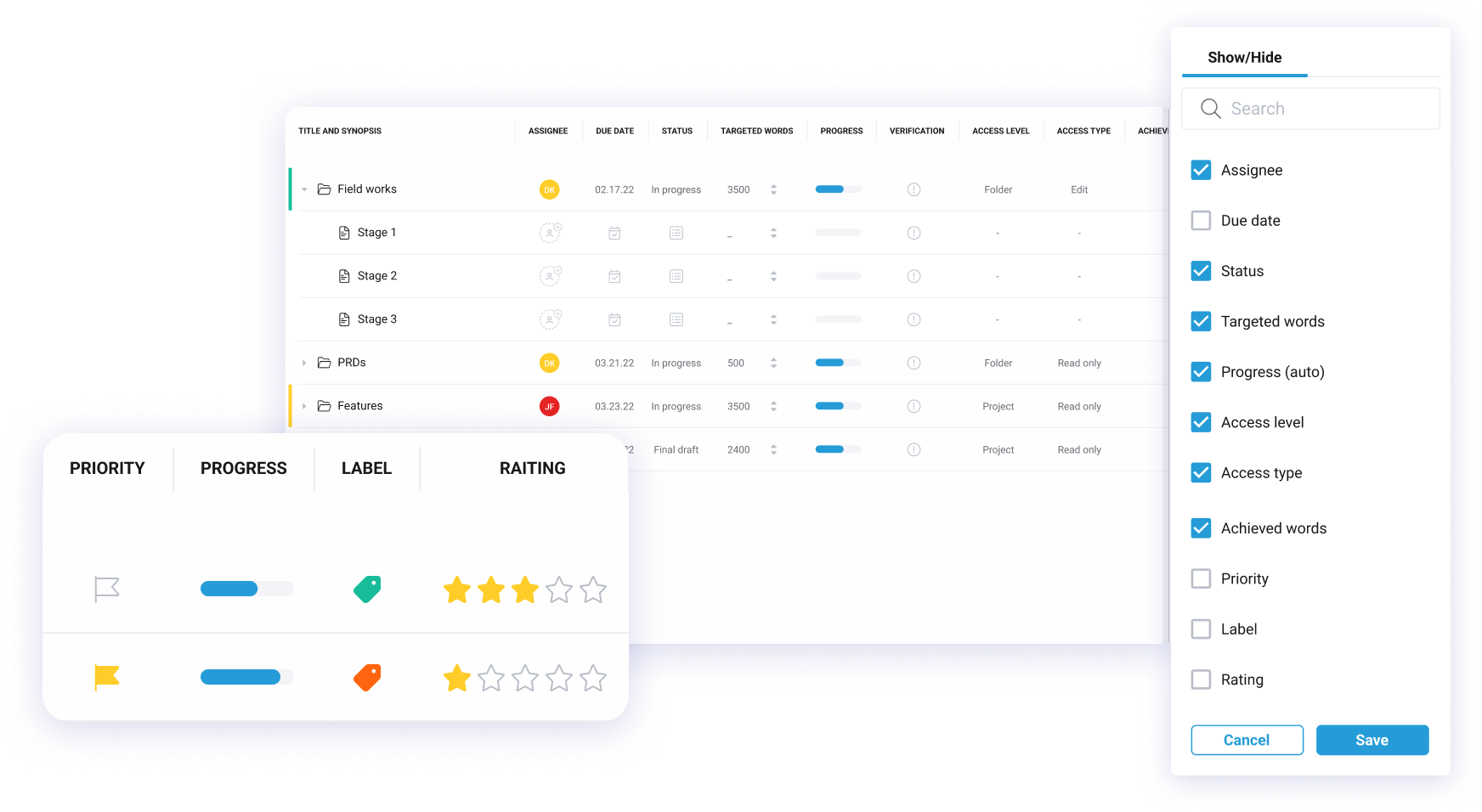
3. What Squibler Actually Does
Squibler is a structured environment designed to tame the chaos of generative AI.
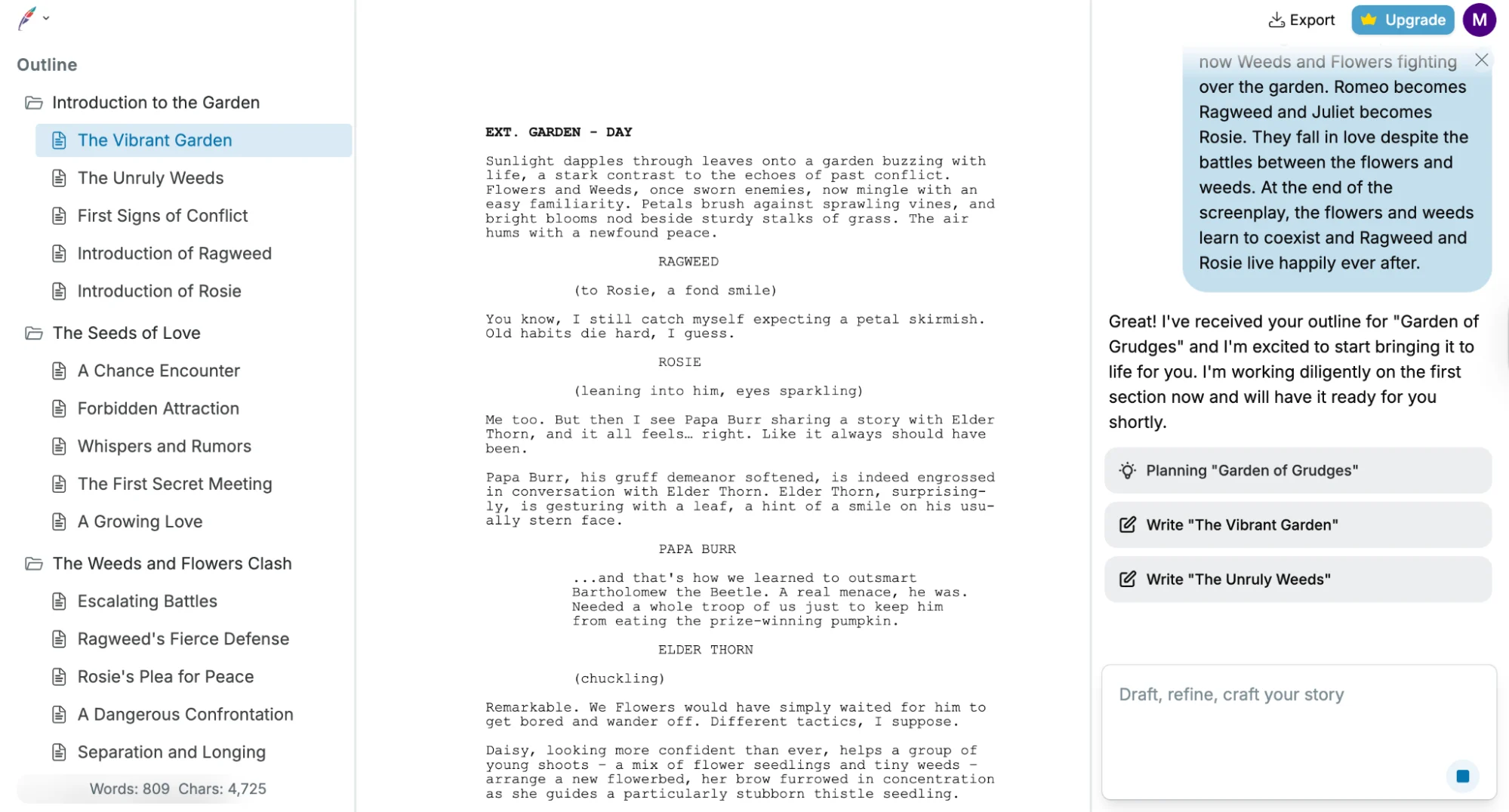
Instead of typing into an endless chat thread, you work within a specialized "List View" project manager. You feed Squibler your core concept, and it generates a structured, multi-chapter outline. You then use the AI Smart Writer to draft the content scene by scene. The true power lies in its editing: you can highlight a paragraph and instruct the AI to "expand on this technical point" or "make this dialogue more aggressive," and it iterates alongside you, acting as a tireless co-author rather than just a mindless text spitter.
4. Core Features
5. The Data: The Speed of Execution
Drafting a comprehensive B2B lead magnet or industry book takes months of dedicated focus. Here is the operational shift when deploying AI-assisted drafting.
6. The Technical Setup (Context Management)
The core engineering advantage of Squibler is its solution to the "Token Window" limitation.
Standard LLMs can only "remember" a certain amount of text before they start hallucinating. Squibler solves this with its Elements feature. By isolating your core parameters (e.g., "The protagonist has a limp" or "This software solves X problem") into a persistent metadata layer, the AI is forced to cross-reference this layer every time you generate a new chapter. This backend architecture is what allows the platform to maintain logic across 80,000 words.
7. Practical Workflow & Deployment
Here is what the execution pipeline looks like for scaling a thought-leadership book:
Step 1: The Blueprint
Input your core thesis. Squibler generates a highly structured outline, breaking the book down into logical chapters and sub-sections.
Step 2: Lock the Elements
Define your target audience, tone of voice (e.g., "Authoritative, data-driven"), and core arguments inside the Elements tab.
Step 3: Modular Generation
Draft the book scene-by-scene using the AI Smart Writer. If the AI hallucinates, highlight the text and click "Rewrite" with specific correction prompts.
Step 4: Export & Publish
Once the manuscript is polished, export the clean, formatted text directly to PDF, Kindle, or a standard document for final typesetting.
8. Example Use Cases
9. The Real ROI (Capital vs. Output)
Hover over the metrics below to see the baseline operational advantages.
Hiring a professional ghostwriter for a full-length book costs $10k to $30k. An unlimited AI subscription is a fraction of the cost.
You retain complete commercial rights and ownership over everything generated within your Squibler dashboard.
10. Who Squibler Is Best For
- High-Volume Content Agencies: If your agency business model relies on churning out high-quality e-books and lead magnets for clients, this tool is the ultimate multiplier.
- Subject Matter Experts: If you have the knowledge but lack the prose skills, Squibler's AI Smart Writer acts as a top-tier developmental editor sitting right next to you.
- Fiction & Screenplay Writers: The specialized templates and visual storyboard generation features are tailor-made for narrative storytelling.
11. Who Should Avoid Squibler
- Short-Form SEO Marketers: If you are just trying to generate 800-word blog posts optimized for Google, Squibler is massive overkill. Use an SEO-specific tool like Surfer SEO or Indexly.
- Those Expecting a "One-Click" Book: The AI will not write a New York Times bestseller with a single click. It requires a "Human-in-the-Loop" workflow to guide, edit, and refine the narrative.
12. Integration & Operational Synergy
13. Feature Focus: Visual Asset Generation
Selling a book or pitching a screenplay requires visual assets. Squibler natively includes AI image generation directly inside the text editor. You can highlight a descriptive paragraph of a scene, and the platform will generate cover art, character portraits, or cinematic storyboards based exactly on your text. It completely eliminates the need to prompt a separate tool like Midjourney.
14. Pricing Realities & Feature Tiers
Squibler utilizes a straightforward, credit-based model, with significant discounts applied for annual billing.
Plus Plan
- 10,000 AI Credits per month
- Generate full-length manuscripts
- Consistent plot & structure tools
- Instant AI manuscript editing
Pro Plan
- Unlimited AI Credits
- Generate as many books as needed
- Perfect for heavy content scaling
- Full commercial IP rights
15. Best Practices: "The Alpha Plan"
If you want to bypass traditional blog SEO, you must execute the Alpha Plan for thought leadership. Stop writing endless blog posts that get buried by AI Overviews.
16. How Squibler Compares
| Feature | Squibler | Sudowrite | Standard ChatGPT |
|---|---|---|---|
| Primary Focus | Structured Long-Form Manuscripts | Fiction / Creative Expansion | Conversational Chat |
| Context Memory | Excellent (Elements Architecture) | Good (Story Engine) | Poor (Severe Amnesia) |
| Screenplay Formatting | Native Support | No | Requires heavy manual formatting |
| Pricing at Scale | Unlimited AI (Pro Tier) | Credit Based (Strict limits) | Monthly Flat Fee |
17. Limitations & Reality Check
- Language Translations: While Squibler allows you to draft in English and translate into 80+ languages, relying purely on AI translation for a 200-page book is dangerous. Nuance and cultural context are often lost; professional localization is still required for global publishing.
- Not a Layout Engine: Squibler exports clean text for manuscripts and screenplays. If you want a beautifully designed PDF e-book with custom margins, drop caps, and magazine-style column layouts, you will still need to export the text into Adobe InDesign or Canva.
18. PROS & CONS
- The Elements framework successfully solves AI context amnesia for long projects.
- Pro plan offers truly unlimited AI credits, which is incredibly rare in this space.
- Native screenplay formatting saves writers hours of tedious tab-spacing.
- Built-in image generation keeps you in the flow state without app-switching.
- Does not include advanced typesetting tools for final physical print layouts.
- Requires active "Human-in-the-Loop" guidance to prevent generic prose.
19. Frequently Asked Questions
1. Is Squibler free to use?
Squibler offers a free Limited Tier that allows you to test the editor and basic generation. To generate full-length manuscripts and unlock unlimited AI credits, you must upgrade to the Plus or Pro plans.
2. Do I retain the rights to the books I generate?
Yes. You are the author and owner of your work. Everything you create within the Squibler platform is 100% your intellectual property, with full commercial rights.
3. What is the difference between the Plus and Pro plans?
The Plus plan is ideal for a single project and includes 10,000 AI credits per month. The Pro plan provides unlimited AI credits, making it the necessary choice for agencies, ghostwriters, or businesses operating at scale.
4. Can it generate images for my book?
Yes. Squibler has a built-in visual generation tool. You can highlight text from your manuscript and instantly generate cover art, character designs, or storyboards that match your specific scene descriptions.
5. Can it format a movie screenplay?
Yes. Unlike standard AI tools, Squibler understands strict industry screenplay conventions. It can generate and format dialogue, scene headings, and action lines automatically.
6. How does it prevent the AI from forgetting the plot?
Squibler utilizes an "Elements" feature. You define characters, settings, and core plot rules in a structured database. The AI constantly references this database while writing, preventing the narrative contradictions common in generic chatbots.
7. Can I edit the text after the AI generates it?
Absolutely. Squibler is a dynamic editor. You can rewrite manually, or use the AI Smart Writer as a co-author to expand scenes, change pacing, or adjust the tone of specific paragraphs on the fly.
8. Does it publish my book to Amazon?
No, Squibler is not a distribution platform. It is a drafting and manuscript generation tool. Once your book is complete, you export the file and upload it to self-publishing platforms like Amazon KDP yourself.
20. Final Verdict
If you are trying to write a book using ChatGPT, you are fighting a losing battle against token limits. The AI will inevitably lose the thread of your argument, and the resulting text will require more editing than if you had just written it manually.
Squibler provides the missing structural architecture required for heavy content generation. By marrying a specialized long-form text editor with persistent context management, it turns generative AI into a reliable, industrial-grade ghostwriter. Whether you are an agency scaling client deliverables or a founder looking to instantly establish industry authority, deploying Squibler is the fastest route from an idea to a finished manuscript.
Deploy Your AI Ghostwriter Today →