


The standard outbound sales motion is broken. B2B teams are forced to buy expensive ZoomInfo licenses, export stagnant lists into messy CSV files, clean the data in Excel, and then upload them into separate sequencing tools like Lemlist or Outreach. This fragmented process creates massive data gaps and throttles your sales velocity.
Apollo.io was built to destroy this workflow. By merging a massive 275+ million contact B2B database directly with a native cold email sequencer, dialer, and intent-data engine, it allows you to find a lead and email them in the exact same application. But does the data quality hold up, or are you just automating emails to dead inboxes? In this Apollo.io infrastructure audit, we strip down their database accuracy, deliverability limits, and workflow automation.
- Unified Ecosystem: Combines B2B contact data sourcing, email sequencing, and a native dialer into a single platform.
- Massive Database: Access over 275 million verified B2B contacts and 73 million companies with granular filtering.
- Chrome Extension Magic: The Apollo extension layers over LinkedIn, allowing you to instantly scrape a prospect's email and add them to a sequence without leaving LinkedIn.
- Aggressive Pricing: Starting at $49/mo, it undercuts legacy data providers (like ZoomInfo) while offering more outbound utility.
1. Quick Summary
2. The TL;DR Verdict
Stop Buying Dead Lead Lists
Apollo.io is a mandatory upgrade for any B2B operation. By bridging the gap between data acquisition and active outreach, it eliminates the need for CSV exports entirely. You can filter for companies actively searching for your solution (Intent Data), instantly verify their decision-makers' emails, and drop them into a multi-step email and calling sequence within seconds. It is the fastest route to a booked meeting on the market.
Search The B2B Database For Free →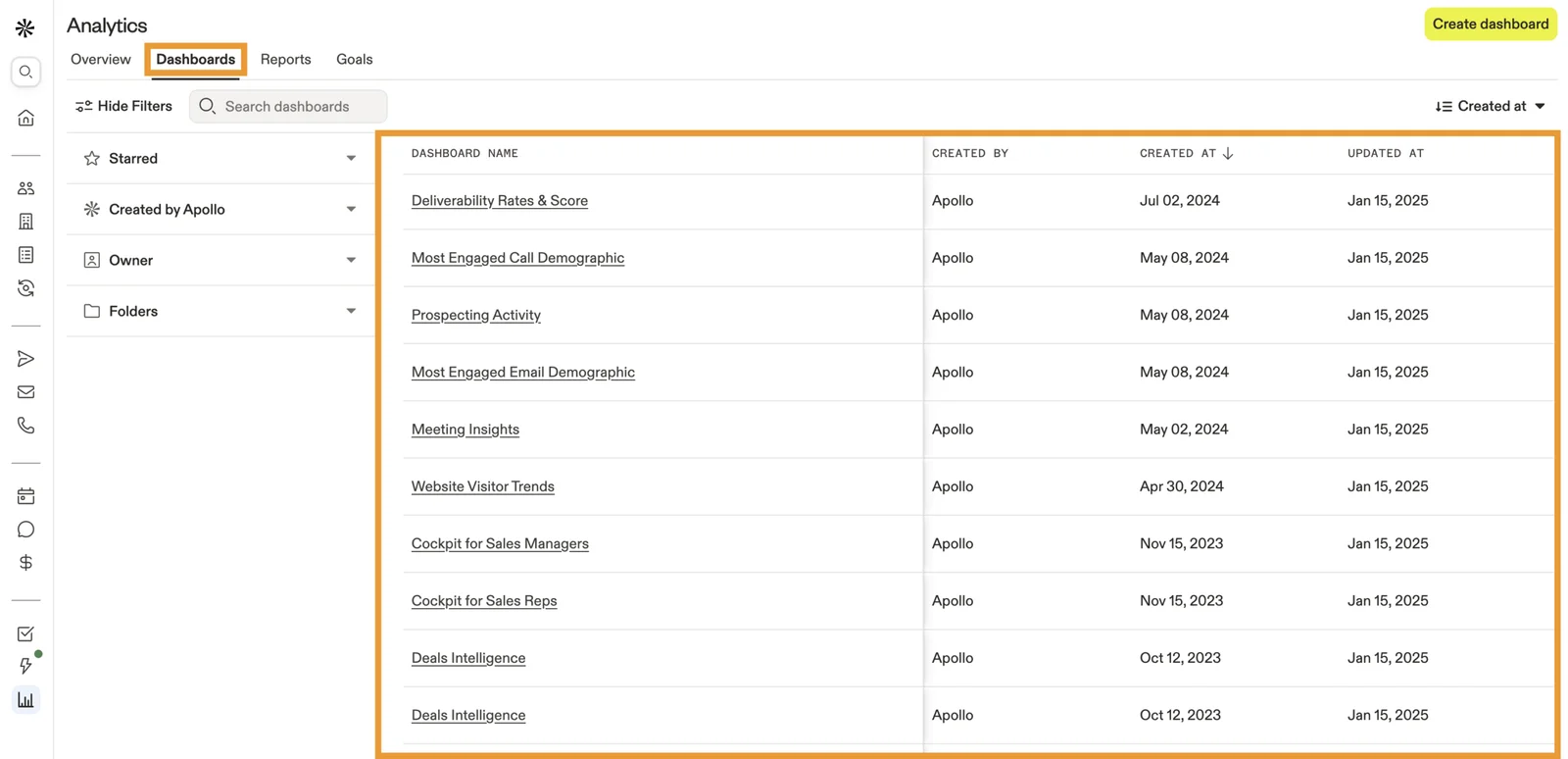
3. How We Evaluated Apollo.io
To ensure an objective technical audit, we deployed Apollo.io in a live B2B outbound campaign targeting SaaS founders over a 30-day period. Our evaluation process included:
- Data Accuracy Check: We pulled 1,000 verified emails from Apollo and ran them through a third-party verification tool (ZeroBounce) to measure the hard bounce rate.
- Sequencing Stress Test: We built a 4-step omnichannel sequence (Email -> LinkedIn Connection -> Call -> Email) to test the platform's automation logic.
- Extension Workflow: Utilizing the Chrome extension to scrape 200 leads directly from LinkedIn Sales Navigator into active campaigns.
- Deliverability Monitoring: Testing inbox placement rates utilizing Apollo's native integration with Microsoft 365 and Google Workspace.
4. What Apollo.io Actually Does
Apollo is a complete outbound sales platform.
Instead of paying ZoomInfo $15,000 a year just to look at data, and then paying Outreach $100/mo per user to email that data, Apollo does both. You start in the Search tab, applying filters like "VP of Marketing in Chicago at companies with $10M+ funding." Apollo returns a list of matching humans. You select them, click "Sequence," and Apollo immediately begins sending your pre-written cold emails from your connected Gmail or Outlook account.
Watch our deep-dive visual teardown of building an Apollo sequence.
5. Core Features Matrix
6. The Data: The Cost of Fragmented Outreach
Legacy B2B sales teams bleed capital by paying for separate tools that essentially do the same job. Here is the operational shift when consolidating your tech stack.
7. Technical Setup: Email Deliverability
Apollo is a powerful engine, but it is not a magic bullet for spam filters. Because you are connecting your own Google Workspace or Microsoft 365 accounts, your domain reputation dictates your deliverability.
Before turning on a sequence, you absolutely must configure your SPF, DKIM, and DMARC records. Apollo provides tracking for your sending limits (e.g., capping sends at 50/day per mailbox), but you must manage your own mailbox warm-up processes using secondary domains to protect your primary corporate email from being blacklisted by Google.
8. Workflow & Deployment Timeline
Here is what the execution pipeline looks like for an SDR (Sales Development Rep):
Step 1: The Persona Search
Filter the database for "CMOs" at "B2B SaaS" companies with over "$1M in funding" who are using "HubSpot".
Step 2: Sequence Enrollment
Select 100 leads and click "Add to Sequence." Apollo automatically verifies their email addresses in the background.
Step 3: Omnichannel Execution
Day 1: Automated Email sends. Day 3: A task pops up in Apollo reminding the SDR to send a LinkedIn connection request. Day 5: A task appears to dial their mobile number.
Step 4: CRM Sync
Once the prospect replies or books a meeting via Apollo's calendar links, the activity logs instantly to Salesforce or HubSpot.
9. Feature Focus: The Chrome Extension
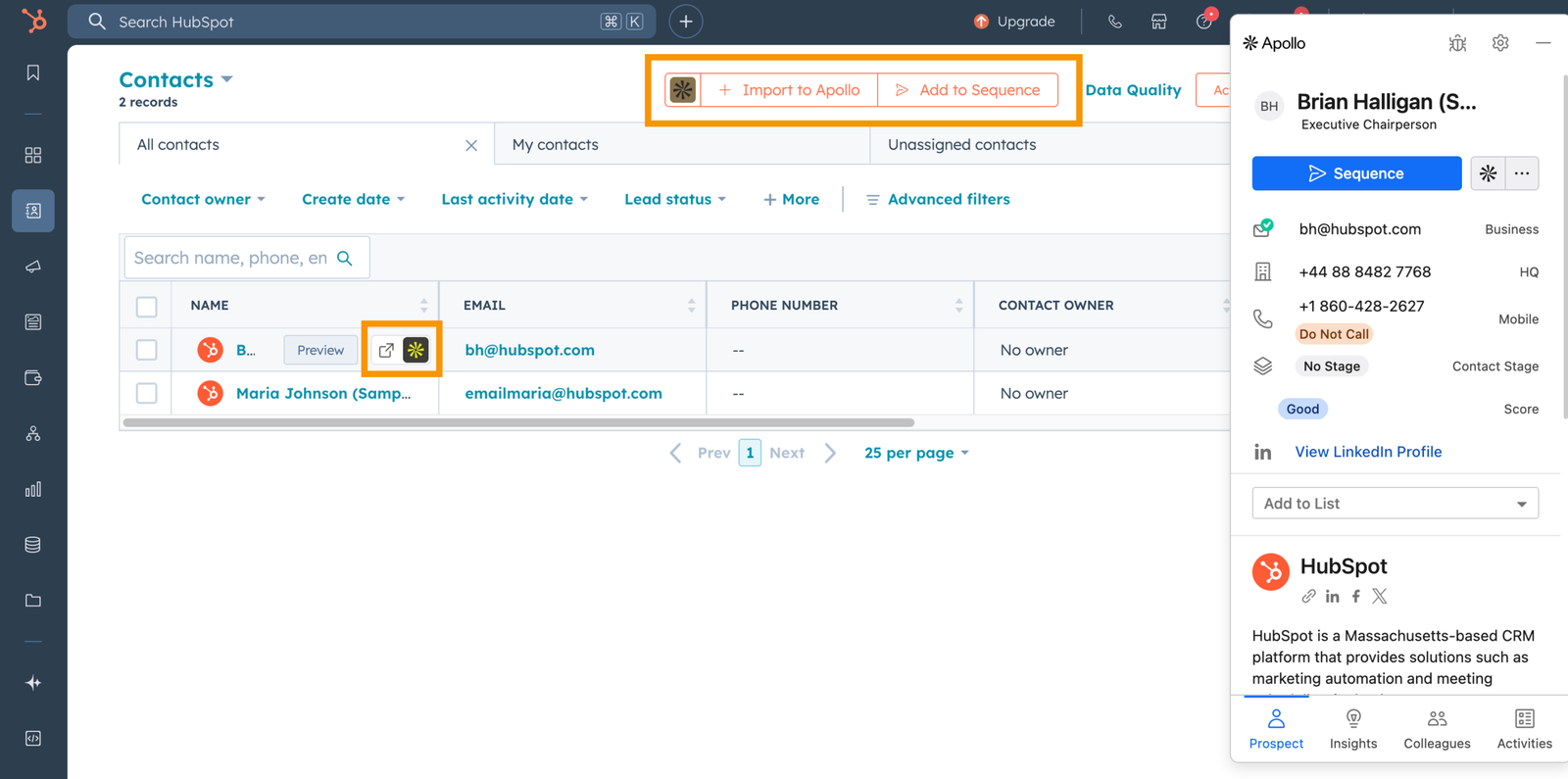
The Apollo Chrome Extension is arguably the best feature of the platform. When you visit a prospect's LinkedIn profile, the extension overlays a sidebar. It instantly reveals their verified corporate email address and direct mobile dial. With one click, you can add that specific LinkedIn profile directly into an active email sequence without ever opening the Apollo web app.
10. Feature Focus: Buyer Intent Data
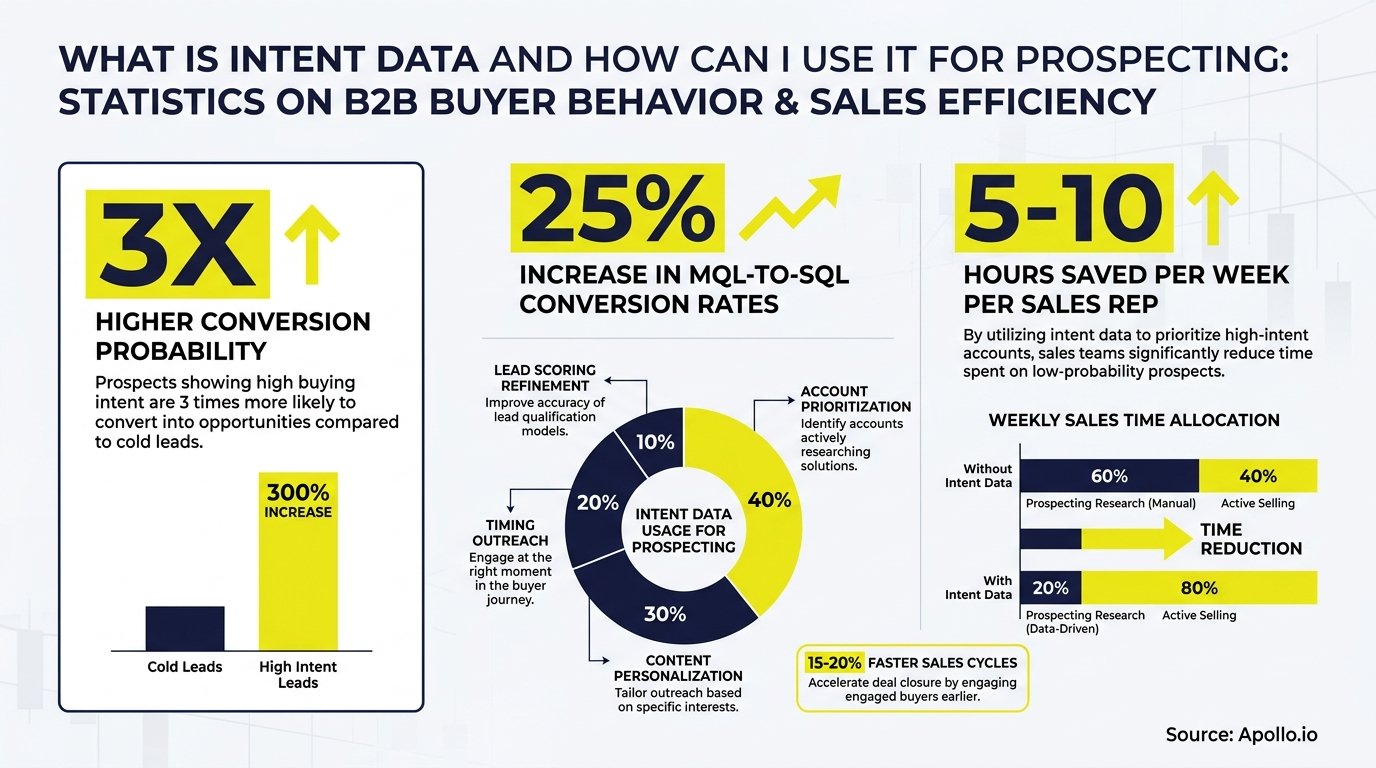
Cold emailing random lists has a terrible conversion rate. Apollo integrates Buyer Intent Data (often powered by Bombora). You can filter for companies that are currently researching specific topics across the internet. If you sell cybersecurity software, Apollo can show you a list of 500 companies who actively searched for "endpoint security" this week. You then find the IT Directors at those specific companies and email them, resulting in vastly higher meeting book rates.
11. Feature Focus: The Native Dialer
For teams that still rely on cold calling, Apollo includes a built-in VoIP dialer. You can purchase local phone numbers, set up routing, and click-to-call directly from a prospect's profile. It supports local presence (matching your area code to the prospect's to increase pickup rates) and automatically logs call recordings and notes into the CRM.
12. Example Use Cases
13. The Real ROI (Database Ownership)
Hover over the metrics below to see the baseline operational advantages of adopting an all-in-one outbound tool.
Eliminate the process of exporting CSVs from a data tool, formatting them in Excel, and importing them into an email tool. Everything happens in one click.
Apollo verifies emails at the exact moment of sequence enrollment, preventing you from ruining your domain reputation by blasting abandoned inboxes.
14. Who Apollo Is Best For
- B2B Founders & SDRs: If you are responsible for filling your own calendar with qualified meetings, there is no faster tool on the market.
- Data-Hungry Agencies: The ability to pull thousands of verified mobile numbers and emails per month on the higher-tier plans is essential for high-volume cold calling.
- HubSpot / Salesforce Users: The native, bi-directional sync ensures that every email sent and call made in Apollo is permanently logged in your master CRM.
15. Who Should Avoid Apollo
- B2C Retailers: Apollo is strictly a B2B (Business-to-Business) database. If you are trying to find the personal emails of consumers to sell t-shirts, this tool is entirely useless to you.
- Inbound Newsletter Marketers: Apollo is an outbound cold email tool, not an inbound newsletter platform. Do not use it to send your weekly blog updates; use ActiveCampaign or Mailchimp for opted-in lists.
16. Integration Ecosystem & Synergy
17. Real User Sentiment (G2 & Trustpilot)
Across major review aggregators, Apollo holds a dominant consensus rating, but with distinct polarizing themes:
- The Praise: The overwhelming majority of 5-star reviews celebrate the sheer scale of the database combined with the aggressive pricing. Users love the Chrome extension's ability to scrape LinkedIn seamlessly.
- The Complaints: Negative reviews almost universally target data decay. Because the database is so massive, certain industries (like niche manufacturing) may have outdated phone numbers or people who left the company 6 months ago. Users also note the UI can feel overwhelming and buggy when managing thousands of active sequence tasks.
18. Pricing Realities & Feature Tiers
Apollo gates its pricing based on the volume of Export Credits (pulling data out of Apollo) and Mobile Numbers.
Basic Plan
- Unlimited Email Credits (in-app)
- 250 Mobile Number Credits/mo
- Advanced Filters & Sequencing
- Best for Solo SDRs
Professional Plan
- 1,000 Mobile Number Credits/mo
- Uncapped sending (via your limits)
- Dialer with Local Presence
- A/B Testing in Sequences
19. The Hidden Costs & Add-Ons
While the base pricing is aggressive, you must be aware of credit limits. An "Email Credit" is used when you export an email to a CSV. A "Mobile Credit" is used when you reveal a prospect's direct cell phone. If your team relies entirely on cold calling and burns through their 1,000 mobile credits on the Pro plan, purchasing additional credit blocks becomes expensive. Always utilize the in-app sequence sender to bypass email export limits.
20. Best Practices: "The Alpha Plan"
If you want to maximize reply rates and avoid the spam folder, you must execute the Alpha Plan for outbound architecture.
21. Security & Compliance
B2B data platforms operate in a legally complex space regarding data privacy. Apollo is SOC 2 Type 1 and ISO 27001 certified. More importantly, they provide GDPR-compliant data processing and CCPA compliance. If a contact requests to be removed from their database, Apollo purges the record globally. However, as the sender, you are still legally responsible for ensuring your cold emails comply with CAN-SPAM regulations (including physical addresses and opt-out links).
22. How Apollo Compares
| Feature | Apollo.io | ZoomInfo | Lemlist |
|---|---|---|---|
| B2B Database | 275M+ (Included) | Industry Standard (Massive) | Requires external data |
| Pricing Model | Transparent (Monthly/Annual) | Opaque (Annual Contracts) | Per-Seat (No Data) |
| Native Sequencing | Yes (Omnichannel) | Limited (Engage Add-on) | Excellent |
| Chrome Extension | Flawless LinkedIn Scrape | Good | Good |
23. PROS & CONS
- Combines massive data sourcing with execution in a single platform.
- The Chrome extension makes prospecting on LinkedIn entirely frictionless.
- Aggressively undercuts legacy competitors on pricing.
- Buyer Intent data allows you to target warm accounts proactively.
- Data decay means some phone numbers and titles will inevitably be outdated.
- The sheer volume of features makes the UI feel cluttered for new users.
24. Frequently Asked Questions
1. Is Apollo.io better than ZoomInfo?
For 90% of SMBs and startups, yes. ZoomInfo traditionally requires massive, multi-year contracts (often $15k+) and focuses heavily on enterprise data. Apollo provides highly competitive data alongside a world-class sequencing engine for a fraction of the cost.
2. Do I still need an email sending tool like Mailshake or Lemlist?
No. Apollo has a native sequencing engine built-in. You can build multi-step campaigns, track open rates, and schedule follow-ups directly within Apollo.
3. Where does Apollo get its data?
Apollo utilizes a contributory network model. They scrape public web data, partner with third-party data providers, and analyze the email signatures and CRM data of their massive user base to constantly verify and update contact records.
4. What is an Export Credit?
An export credit is consumed when you download a contact to a CSV file or push them to a third-party tool. However, if you simply select the contact and email them directly from within Apollo's sequencer, it uses an "Email Credit" (which are unlimited on paid plans).
5. Can I connect multiple mailboxes?
Yes. To scale cold outreach safely, you can (and should) connect multiple mailboxes across different domains to distribute the sending volume and protect your primary domain reputation.
6. Does Apollo verify emails automatically?
Yes. Apollo runs an internal verification check on email addresses. However, for maximum safety, many power users still export lists and run them through a dedicated tool like ZeroBounce before sending.
7. Does it integrate with Salesforce and HubSpot?
Yes. Apollo has native, bi-directional syncs with Salesforce and HubSpot. It automatically logs your sent emails, call recordings, and meeting booked statuses directly to the prospect's CRM profile.
8. Can I make phone calls inside Apollo?
Yes. The Professional and Organization plans include a VoIP dialer. You can purchase local numbers, click-to-call from the browser, record the conversations, and log the outcomes automatically.
25. Final Verdict
The classic B2B sales playbook of exporting CSV lists from a database and pasting them into a clunky email sender is dead. It is too slow, too expensive, and results in massive data fragmentation.
Apollo.io is the definitive standard for modern outbound operations. By seamlessly merging a 275+ million contact database with an enterprise-grade sequencing engine, it allows an SDR to find a lead on LinkedIn and enroll them in a targeted drip campaign in literal seconds. If you are serious about scaling your pipeline and cutting your software bloat, Apollo is the most mathematically sound investment you can make.
Deploy Your Outbound Engine Today →