


In e-commerce, customer acquisition costs (CAC) are skyrocketing. If you are relying purely on top-of-funnel traffic to drive revenue, your margins are collapsing. To survive, you must maximize Customer Lifetime Value (LTV) by building automated retention pipelines that squeeze every drop of revenue from your existing list. This is where e-commerce marketing automation separates the amateurs from the enterprises.
1 The TL;DR Verdict
The decision between these two platforms dictates the operational overhead of your retention marketing. Klaviyo is the undisputed "Data Behemoth." It pulls historical store data to predict when a customer will buy next, allowing for surgical segmentation, but penalizes you with massive costs as your list grows. Omnisend is the "Omnichannel Workhorse." It focuses on blending SMS, push notifications, and email natively into a much simpler UI at a price point that doesn't bleed your margins.
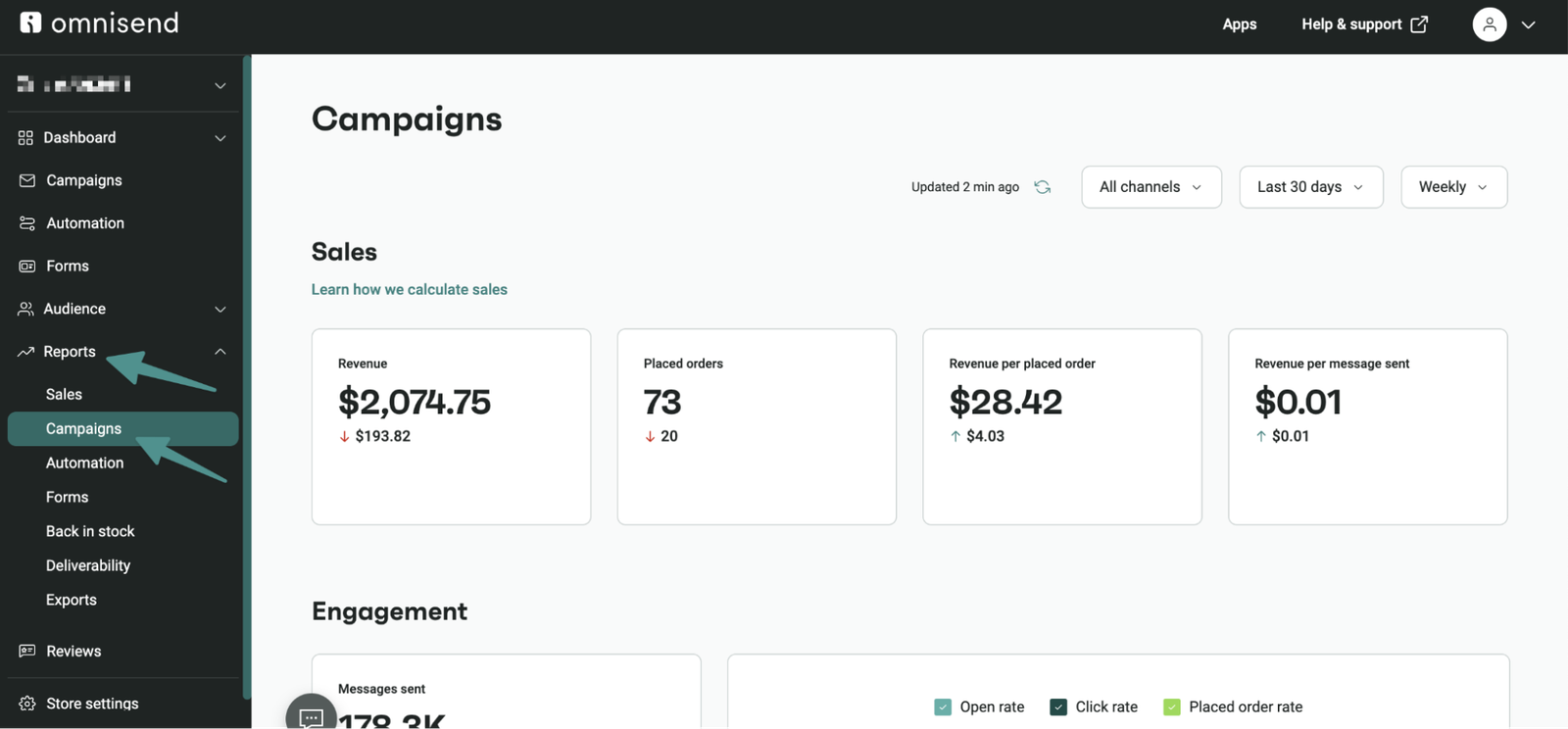
2 At a Glance: Feature Showdown
| Core Capability | Omnisend | Klaviyo |
|---|---|---|
| Primary Focus | Multi-Channel Flow Automation | Deep Data Science & Segmentation |
| Predictive Analytics | Basic / RFM Segmentation | Advanced (Next Order Date, Churn Risk) |
| Global SMS Integration | Native & Cost-Effective | Requires heavy premium (US-centric) |
| Shopify Integration | Deep (1-click sync) | The Industry Standard (Perfect sync) |
3 Meet Contender A: Omnisend
Omnisend was built to fix the fragmentation of e-commerce marketing. Instead of paying for Mailchimp for emails, Postscript for SMS, and PushOwl for browser notifications, Omnisend centralizes them into one workflow.
You can build an automation where a customer abandons a cart, receives an email an hour later, and if they don't open the email, the system automatically routes a targeted SMS to their phone. Because it was purpose-built for e-commerce, it integrates natively with Shopify, BigCommerce, and WooCommerce, pulling in product catalogs directly into the email builder.
4 Meet Contender B: Klaviyo
Klaviyo is the gold standard for high-revenue Shopify stores. It is less of an "email tool" and more of a Customer Data Platform (CDP).
It tracks every micro-action a user takes on your site—from the exact category of product they viewed to their historical purchase frequency. It uses this data to build wildly specific segments (e.g., "Customers who bought a red shirt in the last 60 days but haven't returned"). If you have a dedicated data science or retention marketing team, Klaviyo gives them the ultimate sandbox.
5 Round 1: Data Architecture & Segmentation
Omnisend handles standard e-commerce segmentation perfectly. You can segment by purchase behavior, average order value (AOV), and campaign engagement. It is fast and requires zero technical background to query your database.
Klaviyo’s segment builder is unparalleled. You can combine custom event metrics, predictive LTV models, and granular location data to trigger highly specific, isolated campaigns. It ingests historical Shopify data perfectly.
Round 1 Winner: Klaviyo
For data-obsessed marketers who need to slice a massive customer database into microscopic cohorts, Klaviyo wins.
6 Round 2: Omnichannel Workflows (Email + SMS)
Email alone is no longer enough to recover abandoned carts. You must hit the customer on the channel they actually check.
Omnisend allows you to drag SMS blocks and Push Notification blocks directly into the same automation timeline as your emails. Furthermore, their international SMS pricing is significantly more transparent and cost-effective than Klaviyo's, which heavily prioritizes the US market and charges a massive premium for SMS integration.
Round 2 Winner: Omnisend
Omnisend was built from day one to blend SMS and Email. It is more cost-effective and globally friendly.
7 Round 3: Predictive Analytics & AI
Instead of guessing when to email a customer, advanced infrastructure uses machine learning to calculate buying cycles.
Klaviyo dominates this space. Its predictive AI models analyze a customer's individual purchase history to generate an "Expected Date of Next Order" and a "Churn Probability" score. You can build flows that automatically trigger an email exactly one day before the AI predicts they are ready to restock. Omnisend offers solid RFM (Recency, Frequency, Monetary) analysis, but lacks this deep predictive algorithmic forecasting.
Round 3 Winner: Klaviyo
Klaviyo's data science capabilities function like a dedicated retention analyst for your store.
8 Round 4: Integrations & Ecosystem
Omnisend hooks natively into Shopify, BigCommerce, and WooCommerce flawlessly. It features a curated app market for review tools (Yotpo, Stamped) and loyalty programs (Smile.io).
Klaviyo is effectively the backbone of the Shopify ecosystem. Nearly every major e-commerce app (Gorgias, Recharge, Shogun) builds their API specifically to map data into Klaviyo first.
9 Round 5: Ease of Use & UX
Because Klaviyo is so data-heavy, the learning curve is notoriously steep. If you hand a junior marketer the keys to Klaviyo, they will likely feel overwhelmed by the sheer volume of logic rules, custom event triggers, and metric definitions.
Omnisend is streamlined. The visual flow builder is intuitive, the pre-built e-commerce templates work out of the box, and you can deploy an abandoned cart sequence in 15 minutes. It removes the technical friction of managing customer data.
Round 5 Winner: Omnisend
A cleaner, more intuitive interface that doesn't require a technical operations background.
10 Performance Data: The Cost of Scaling
As your store grows, the software tax increases. Here is how the pricing scales when you reach 50,000 active email contacts.
11 Advanced Strategy: The Lifecycle Retention Pipeline
Do not treat all buyers equally. Use your platform to isolate customers who have purchased 3 or more times (Your VIPs). When a VIP abandons a cart, do not offer them a standard 10% discount—that degrades your margin on someone who already trusts you. Instead, trigger a VIP-exclusive flow that offers them early access to a new product or expedited shipping. Conversely, if a first-time buyer abandons, trigger an aggressive SMS sequence with a time-sensitive discount. By architecting specific logical paths based on historical LTV, you protect your margins while driving massive repeat revenue.
12 Pricing Showdown
Klaviyo charges a massive premium for its data capabilities, while Omnisend keeps overhead low to help mid-market stores scale.
Omnisend Standard
- Scales based on contact volume
- Pre-built E-commerce workflows
- Native SMS integration
- 24/7 Customer Support
Klaviyo Email
- Steep pricing curve at scale
- Advanced Predictive Analytics
- Deep Custom Event Tracking
- Massive Integration Ecosystem
13 Ideal Customer Profiles
- You should use Omnisend if: You run a scaling Shopify or WooCommerce store, operate with a lean marketing team, and want to quickly deploy multi-channel (SMS + Email) revenue-generating flows without bleeding your operational budget.
- You should use Klaviyo if: You are a high-revenue, data-heavy enterprise brand. You have a dedicated retention manager who knows how to utilize predictive AI models and custom event data to squeeze every penny out of complex customer cohorts.
14 The Dealbreakers (What Users Hate)
- Klaviyo's "Pricing Cliff": Klaviyo's pricing increases aggressively as your list grows. If you do not actively "clean" your list and suppress unengaged subscribers, your monthly bill will destroy your profitability.
- Omnisend's Custom Reporting: While Omnisend provides great out-of-the-box analytics for campaigns, it lacks the deep, BI-level custom reporting and cohort analysis that enterprise data teams require.
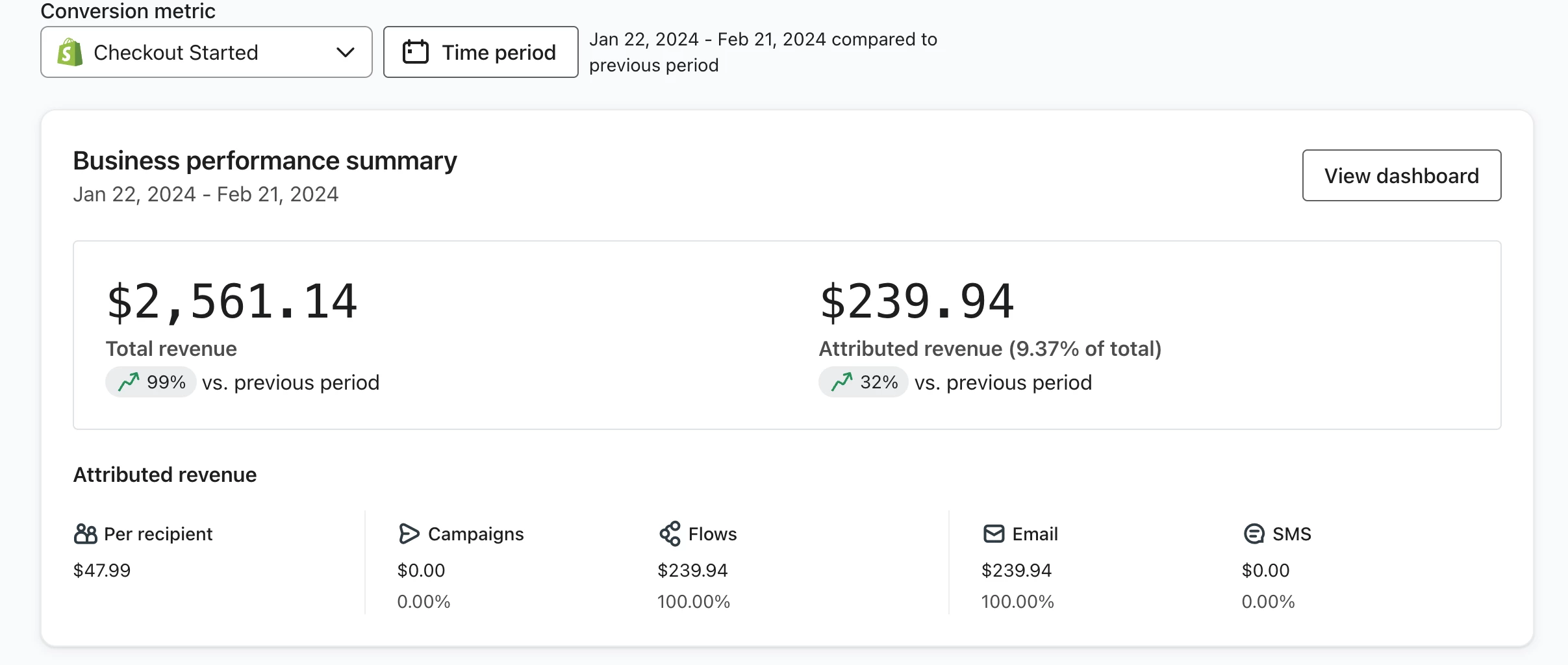
15 The Missing Piece: Analytics Dashboards
16 Security & Compliance
Both platforms adhere strictly to global compliance standards required for e-commerce. They are fully GDPR and CCPA compliant, offering native tools to manage user consent, handle data deletion requests, and ensure double opt-in protocols are respected across both email and SMS channels.
17 The Pros & Cons Breakdown
- Significantly more affordable as your database scales.
- Incredibly intuitive drag-and-drop workflow builder.
- Global SMS capabilities are natively integrated and cost-effective.
- Out-of-the-box templates designed specifically for e-commerce.
- Lacks the deep predictive AI data science models of competitors.
- Custom cohort reporting is relatively basic.
- Unmatched predictive analytics (Next Order Date, Churn Risk).
- Hyper-granular segmentation based on infinite custom events.
- The standard integration backbone for the entire Shopify ecosystem.
- Deep historical data syncing from day one.
- Extremely expensive at high volume.
- Steep learning curve requires specialized operator knowledge.
18 Frequently Asked Questions
1. Do both platforms integrate with Shopify?
Yes. Both have flawless, 1-click native integrations with Shopify that pull in your complete product catalog, historical order data, and customer profiles instantly.
2. Is Klaviyo worth the extra cost?
It depends entirely on your operations. If you have a dedicated data team utilizing predictive analytics to increase LTV by 20%, Klaviyo pays for itself. If you just want to send basic abandoned cart emails and newsletters, Klaviyo is an expensive overkill.
3. Can I send SMS messages on both platforms?
Yes. However, Omnisend blends SMS natively into their core workflows much more seamlessly and cost-effectively on a global scale. Klaviyo’s SMS features are highly capable but historically command a premium price and lean heavily toward the US market.
4. What is Predictive Analytics?
Predictive analytics uses machine learning to study a customer's buying habits. Klaviyo uses this to automatically calculate exactly when a specific customer is likely to make their next purchase, allowing you to trigger a highly timed email.
5. Can I migrate from Mailchimp easily?
Absolutely. Both Omnisend and Klaviyo offer dedicated migration wizards that will pull your contacts, tags, and suppression lists directly from Mailchimp into their systems.
6. Do they offer pop-ups and forms?
Yes. Both platforms include built-in form builders to create exit-intent pop-ups, spin-to-win wheels, and embedded forms to capture emails and phone numbers directly on your site.
7. How do they track abandoned carts?
Because they integrate deeply with your e-commerce platform (like WooCommerce or Shopify), they place a tracking script on your checkout page. If a known user inputs their email but fails to complete the transaction, the platform automatically triggers the recovery sequence.
8. Do they offer free plans to test?
Yes. Both platforms offer free tiers for very small lists (typically under 250-500 contacts). This allows you to integrate the software, build your initial flows, and test the UI before committing to a paid tier.
19 Final Verdict: Which Should You Choose?
Choosing your e-commerce marketing engine dictates the structural efficiency of your retention pipeline.
If you are running a massive, high-margin D2C brand with a dedicated retention team that needs to leverage predictive machine learning and hyper-granular custom events, Klaviyo is the undisputed king. It is a true enterprise Customer Data Platform.
However, if you are an agile e-commerce founder or growth marketer who wants to quickly deploy highly effective, multi-channel (SMS + Email) automations without paying an exorbitant "enterprise tax," Omnisend is the smarter operational choice. It delivers 90% of the power at a fraction of the cost, ensuring your margins stay healthy as your list scales.